Leak Detection Services Commonly Offered by Plumbers
Leaks rarely announce themselves in a straightforward way. A homeowner notices a higher water bill. A restaurant manager sees a damp ceiling tile that was dry last week. A property owner hears water moving behind a wall long after every fixture has been shut off. By the time the problem is obvious, the damage often extends beyond the pipe itself.
That is why leak detection matters so much in plumbing work. It is not only about finding water. It is about locating the right source, understanding how long the leak has likely been active, and deciding whether the issue calls for a small repair, a larger system correction, or an immediate emergency response. A good plumber approaches leak detection as diagnosis first and repair second.
In Hawaiʻi, that professional judgment matters even more because plumbing work is regulated. The state requires proper licensing through the Department of Commerce and Consumer Affairs, and consumers are advised to verify the contractor’s name and license number before hiring. In Hawaiʻi County, some plumbing maintenance that sounds simple on paper can still require a permit when it involves repairing, replacing, or rearranging valves or pipes. That is one reason a licensed plumber is not just a convenience. It is often the safest path for the property owner.
What plumbers mean by leak detection
People often use the phrase "leak detection" to describe any plumbing problem involving water loss, but plumbers usually mean something more precise. Leak detection is the process of identifying where water is escaping, which system it is escaping from, and how serious the situation is.
That can involve a visible drip under a sink, but it also includes harder cases such as hidden line leaks, slab-adjacent moisture, wet wall cavities, slow supply-line failures, and sewer-related symptoms that do not present as clear standing water. In practice, the service often begins with a conversation. When did the problem start? Has the water bill changed? Is the leak constant or only during certain times of day? Does it show up when hot water runs, when the irrigation is on, or when a toilet fills?
An experienced plumber listens closely because those clues narrow the search. For example, if a stain darkens only after hot water use, the trail points in one direction. If moisture appears regardless of fixture use, the problem may be in a supply line or another continuously pressurized section. Leak detection is part observation, part testing, and part pattern recognition built over years in the field.
The most common leak detection calls plumbers handle
Most service plumbers see the same broad categories again and again, even though each job has its own twist.
The first is fixture and exposed-pipe leak detection. These are the leaks people tend to notice quickly: supply lines under sinks, angle stops, toilet connections, hose bibs, shutoff valves, or visible piping near a water heater. While these calls may sound minor, they deserve careful attention. A drip at a connection point can indicate a worn component, poor prior installation, or pressure-related stress elsewhere in the system.
The second common category is hidden interior leak detection. This is where homeowners notice indirect evidence rather than the pipe itself. Paint bubbles, warped trim, musty odors, recurring damp drywall, or flooring that feels slightly spongy can all point to water movement in concealed spaces. The challenge is to locate the leak without opening more of the structure than necessary. A capable plumber looks for the shortest path to certainty, not the widest path to demolition.
Another regular call involves water heater repair tied to leak concerns. Sometimes the issue is obvious, such as pooling water at the base of the unit. Other times the source is less clear. Moisture around a heater may come from fittings, relief components, associated piping, or another nearby plumbing issue that only appears to involve the tank. In Hilo and elsewhere in Hawaiʻi, plumbers also advertise solar water heater repair, and leak detection can overlap with those systems as well. When no-hot-water complaints come with unexplained moisture, the service call becomes both a performance issue and a leak investigation.
Drain and sewer-related leak calls are also common. A customer may ask for drain cleaning because a sink backs up repeatedly, only for the plumber to find that the larger issue includes compromised piping or a developing sewer line problem. In some cases, sewer camera inspections help clarify whether a leak or break is contributing to recurring drainage trouble. Not every slow drain is a leak, and not every leak shows up as standing water, which is why diagnosis matters more than assumptions.
Commercial properties add another layer. A commercial plumber may be called in when a leak affects restrooms, kitchens, tenant spaces, or utility areas where even a small amount of water can disrupt operations. In those settings, leak detection is often about minimizing downtime as much as repairing the defect.
How leak detection fits into emergency plumbing
Not every leak is an emergency, but some absolutely are. A burst line, fast ceiling leak, active water heater discharge, or major failure affecting a business cannot wait for a routine appointment. That is where an emergency plumber becomes essential.
The line between urgent and non-urgent is sometimes narrower than property owners think. A slow leak under a sink may be manageable for a day if the valve shuts off cleanly and the cabinet is emptied. Water entering a wall cavity, however, tends to get worse by Find more information the hour because the visible stain is often smaller than the wet area behind it. The same goes for leaks near electrical components, leaks that affect multiple units, or any situation where the shutoff does not fully stop the flow.
In Hilo, property owners also need to distinguish between plumbing leaks inside the property and broader utility-side issues. Hawaiʻi County’s Department of Water Supply maintains a water-emergency service presence in Hilo, which matters when a problem appears to involve the public side rather than the customer’s plumbing. A seasoned Hilo plumber will usually help clarify that boundary quickly, because sending the wrong party first wastes precious time.
Leak detection around water heaters and solar systems
Water heater leaks deserve their own attention because they are frequently misunderstood. Customers often describe any moisture near a heater as "the tank leaking," but a plumber knows that several different conditions can create the same first impression. A loose connection, a failing valve, condensation-like moisture, or related piping trouble can all collect at the base and mimic a tank failure.
That distinction affects cost, urgency, and repair options. If the leak traces to a fitting or connected line, water heater repair may be straightforward. If the source is more serious, the recommendation changes. The critical point is that proper leak detection keeps owners from replacing equipment unnecessarily or, just as important, from delaying a replacement that should not be postponed.
The same logic applies to solar water heater repair. In markets where solar systems are common, plumbers are often asked to evaluate whether water loss or dampness is coming from the heater, connected plumbing, or another nearby source. Even when the symptoms look simple, the diagnosis should stay disciplined. Guessing gets expensive fast.
Hidden leaks often begin with subtle signs
Some of the most expensive water damage starts with symptoms that are easy to dismiss. A faint odor in a bathroom vanity. A patch of flooring that feels cool in bare feet. Drywall tape lifting slightly at a seam. These are not dramatic signs, which is why owners put them off. Then a small leak runs for weeks or months and turns a modest plumbing repair into a larger restoration project.
A careful plumber pays attention to changes in pattern. One isolated damp spot may suggest a local issue. A recurring problem in the same area after earlier cosmetic repair usually suggests the plumbing source was never fully resolved. Likewise, a water bill that rises without a clear usage change can support the suspicion that water is escaping somewhere out of sight.
This is where local experience helps. A plumber who regularly works older homes, commercial buildings, and varied plumbing layouts develops a practical sense for where leaks tend to hide and how they travel. Water rarely stays where it starts. It moves along framing, collects at low points, and appears where gravity allows it to show itself. Finding the true source often means thinking upstream from the damage.
When drain cleaning and sewer line repair intersect with leak detection
Many customers separate these issues in their minds. A leak is one problem. A clog is another. In reality, plumbing systems do not care about those categories.
A recurring call for drain cleaning can uncover larger trouble. If a line backs up repeatedly, the plumber has to determine whether the issue is simply obstruction, a structural defect, or a sewer line condition that warrants closer inspection. If a sewer camera inspection is appropriate, it can help confirm whether the line has a problem that goes beyond routine cleaning. Once that is established, sewer line repair may enter the conversation.
This matters because repeated symptom treatment can get expensive. If a property owner keeps paying for clearing without identifying why the problem keeps returning, the underlying issue remains in place. Good leak detection work, broadly understood, looks past the immediate symptom. It asks whether the visible problem is the whole problem.
A commercial plumber sees this often in tenant spaces and food-service environments. Standing water near a floor drain may suggest overflow, but the real culprit could be deeper in the waste line. In a home, a sewer-related issue may show up first as odor, recurring stoppages, or unexplained dampness around the wrong area. The job is to connect the clues before the damage spreads.
Why licensing matters for leak detection work in Hawaiʻi
Leak detection can look simple from the outside. Follow the water, tighten the fitting, patch the pipe. Real jobs are rarely that tidy.
In Hawaiʻi, plumbing work is regulated, and licensed plumbers must meet state requirements, including continuing competency for active plumbing licenses. That matters to consumers because leak detection frequently leads to decisions about repairs, replacement, or system changes. If the work involves valves or piping in ways that trigger permit requirements under Hawaiʻi County rules, the person handling the job needs to understand those obligations.
Consumers are also advised to verify the contractor’s name and license number before hiring. That is especially important during urgent situations, when people are more likely to hire the first person who answers the phone after searching "plumber near me." Speed matters during a leak, but so does legitimacy. A rushed hiring decision can create a second problem right behind the first.
For property owners in East Hawaiʻi, the search for a Hilo plumber often starts with urgency and ends with trust. People want someone who can respond quickly, explain the issue clearly, and handle the repair properly if the diagnosis confirms a leak. Licensing is part of that trust, not a paperwork detail.
What a plumber is really evaluating during a leak call
When a plumber arrives for leak detection, the work is usually broader than the customer expects. Yes, the immediate goal is to find the water loss. But the plumber is also trying to answer three practical questions.
First, where is the actual source? The visible wet area is only a clue. Second, what else has the leak affected? Cabinets, drywall, flooring, connected fixtures, nearby valves, and adjacent piping may all need a quick review. Third, what is the most sensible repair path? Sometimes that means a targeted fix. Other times it means the leak is a warning sign that a larger section of plumbing should be addressed at the same time.
This is where experience shows. An inexperienced person may stop at the first drip they see. A seasoned plumber keeps checking until the story makes sense. If the stain is on one side of the room but the active moisture path starts ten feet away, the repair should follow the source, not the stain. If a fitting has failed but the surrounding valves are in poor condition, the repair conversation should reflect that reality.
That judgment can save money in a very practical way. A customer does not benefit from the cheapest repair if the area has to be reopened in two months.
What homeowners and property managers should do before help arrives
A little calm action can reduce damage before the plumber gets there. If the leak is active and the shutoff is obvious and accessible, stopping the water is usually the first move. If the problem seems tied to a specific fixture, isolating that fixture may be enough. If not, the main shutoff may be necessary. Beyond that, moving stored items, towels, records, or equipment away from the wet area can prevent avoidable losses.
For a fast response, it helps to be ready with a short description of the symptoms. When did you first notice it? Is the water continuous? Does it happen only when hot water runs? Has there been a recent drain cleaning, water heater repair, or plumbing work in the area? Those details emergency plumber help the plumber prioritize the call, especially when scheduling emergency service.
If the issue appears to involve the public water side rather than interior plumbing, local water-emergency contacts may also be relevant in Hilo. A reputable plumber will usually tell you if the problem should be directed there.
Choosing the right plumber for leak detection
The best leak detection service is not necessarily the one with the most dramatic marketing. It is the one grounded in proper licensing, sound diagnosis, and clear communication. That applies whether you need a residential plumber, an emergency plumber, or a commercial plumber for a business property.
A few traits consistently separate solid service from guesswork:
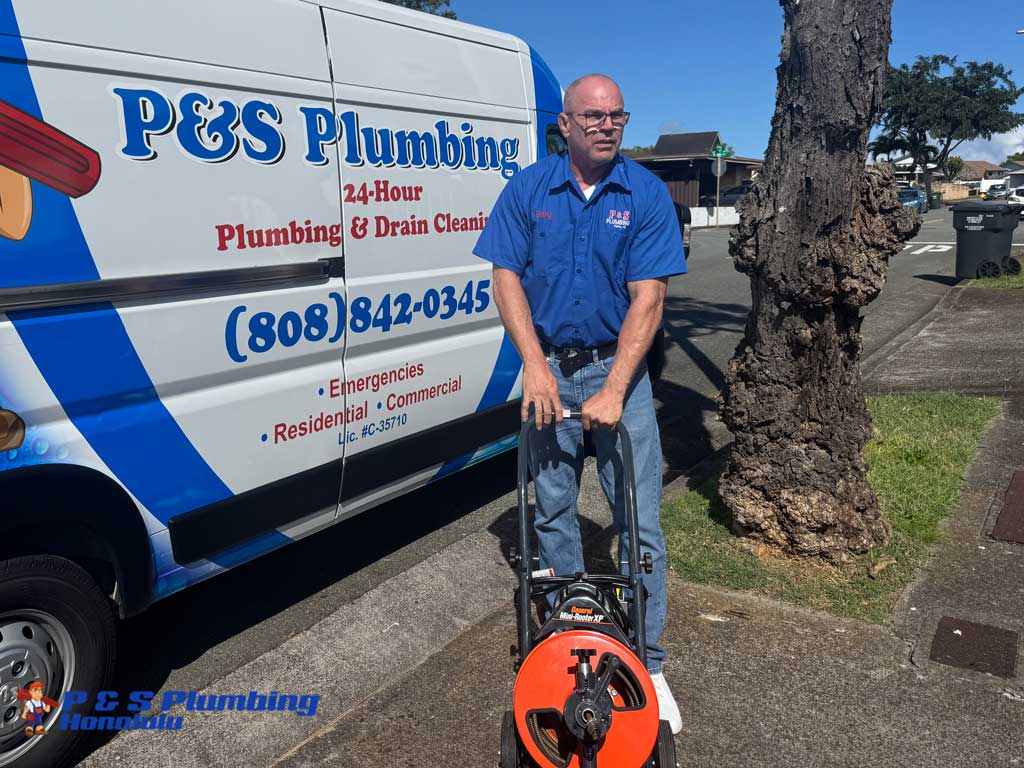
- clear explanation of what is known, what is still being confirmed, and what repair options make sense
- willingness to distinguish between a symptom and the underlying cause
- familiarity with related services such as drain cleaning, sewer line repair, water heater repair, and solar water heater repair when the leak may involve those systems
- understanding of Hawaiʻi licensing expectations and, where applicable, permit implications
- respect for urgency without treating every call as a sales opportunity
That last point matters more than many customers realize. Leak calls create stress, and stress makes people vulnerable to overselling. A good plumber does not inflate the situation, but also does not downplay real risk. The balance should feel steady and practical.
The value of getting the diagnosis right the first time
Most property owners remember the visible mess. The soaked cabinet bottom, the ceiling stain, the puddle near the heater. What they remember later is whether the problem actually stayed fixed.
That is the real measure of leak detection. Not how dramatic the technology sounded, not how quickly someone offered a theory, but whether the diagnosis matched the repair and prevented repeat trouble. In many cases, the plumber’s best work is invisible after the fact. The water stops escaping, the affected area dries, and the customer is not calling back for the same problem three weeks later.
Whether you are dealing with a small hidden leak, a no-hot-water problem that turns into water heater repair, recurring drainage symptoms that point toward sewer line repair, or an after-hours crisis requiring an emergency plumber, the underlying principle is the same. Accurate leak detection is the foundation of every good plumbing repair.
For homeowners searching "plumber near me" and for businesses trying to protect daily operations, that foundation matters. In Hilo and across Hawaiʻi, the smartest move is to work with a licensed plumber who can diagnose the issue carefully, explain the next step plainly, and handle the repair in a way that fits both the problem and the property.
Name: P&S Plumbing Hilo
Address: 879 Manono St B, Hilo, HI 96720, United States
Phone: 808-935-3892
Website: https://www.psplumbinghawaii.com/locations/hilo/
Email: [email protected]
Hours:
Sunday: Open 24 hours
Monday: Open 24 hours
Tuesday: Open 24 hours
Wednesday: Open 24 hours
Thursday: Open 24 hours
Friday: Open 24 hours
Saturday: Open 24 hours
Time zone: Hawaii-Aleutian Time
Open-location code / Plus code: PW6J+35 Hilo, Hawaii, USA
Map/listing URL: https://www.google.com/maps/search/?api=1&query=Google&query_place_id=ChIJ4Wwh4jGFTIQRdIh8RLXElbM
Embed iframe:
Socials:
https://web.facebook.com/psplumbinghilo/
https://www.instagram.com/psplumbinghilo
https://ph.pinterest.com/psplumbinghilo/
https://x.com/psplumbinghilo
https://www.linkedin.com/in/psplumbinghilo
P&S Plumbing Hilo provides plumbing services from its Hilo location on Manono Street.
The official Hilo page lists plumbing support for Hilo and surrounding communities, with Hilo phone service available at 808-935-3892.
P&S Plumbing provides residential plumbing, commercial plumbing, drain cleaning, sewer-line service, water heater work, plumbing repairs, leak detection, fixture repair, bathroom plumbing, kitchen plumbing, and emergency plumbing support.
The official contact page lists the Hilo location at 879 Manono St, Unit B, Hilo, HI 96720.
The company’s official site lists Hawaii State License Number CT-35710 and describes P&S Plumbing as licensed and insured.
Customers can contact P&S Plumbing Hilo for clogged drains, sewer-line concerns, water heater service, plumbing leaks, fixture repairs, toilet issues, kitchen plumbing, bathroom plumbing, commercial plumbing, residential plumbing, and urgent plumbing requests.
For plumbing service in Hilo and East Hawaii, call 808-935-3892 or visit https://www.psplumbinghawaii.com/locations/hilo/
The supplied public map listing uses plus code PW6J+35 Hilo, Hawaii, USA and can help customers find P&S Plumbing Hilo near Manono Street.
Popular Questions About P&S Plumbing Hilo
What does P&S Plumbing Hilo provide?
P&S Plumbing Hilo provides plumbing services for residential and commercial customers, including drain cleaning, sewer and drain service, water heater service, plumbing repairs, fixture repair and installation, leak detection, bathroom plumbing, kitchen plumbing, and emergency plumbing.
Where is P&S Plumbing Hilo located?
The official contact page lists the Hilo location at 879 Manono St, Unit B, Hilo, HI 96720.
What phone number should Hilo customers call?
The official website lists Hilo phone number 808-935-3892.
What is the email address for P&S Plumbing Hilo?
What are P&S Plumbing Hilo’s hours?
The listing hours show P&S Plumbing Hilo as open 24 hours a day, seven days a week, Hawaii-Aleutian Time. Customers should call 808-935-3892 to confirm service availability for urgent needs.
Is P&S Plumbing licensed?
The official Hilo page lists Hawaii State License Number CT-35710. Customers can confirm license status directly with the relevant Hawaii licensing authority before hiring.
Does P&S Plumbing Hilo offer emergency plumbing?
Yes. The official Hilo page references emergency services, and the supplied listing shows 24-hour availability.
Does P&S Plumbing Hilo handle water heaters?
Yes. P&S Plumbing’s official site lists water heater repair and installation services, including service for the Big Island and Hilo.
What areas does P&S Plumbing serve from Hilo?
The official site lists service for Hilo and surrounding areas, with broader P&S Plumbing service across the Big Island and Oahu.
How do I contact P&S Plumbing Hilo?
Call 808-935-3892 or visit https://www.psplumbinghawaii.com/locations/hilo/. Social profiles: Facebook, Instagram, Pinterest, X, and LinkedIn.
Landmarks Near Hilo, HI
Manono Street: The street listed for P&S Plumbing Hilo and a practical reference point for the Hilo location.
Kamehameha Avenue: A major Hilo waterfront route connecting downtown, commercial areas, and local service corridors.
Hilo Bayfront: A central Hilo waterfront landmark near downtown businesses and residential areas.
Downtown Hilo: A major East Hawaii business, civic, and residential district served by local plumbing contractors.
Hilo Farmers Market: A well-known downtown Hilo landmark and local reference point.
Hilo Harbor: A major commercial harbor and industrial-area landmark near Hilo service routes.
Prince Kūhiō Plaza: A major Hilo shopping landmark near residential and commercial areas.
University of Hawaiʻi at Hilo: A major education landmark serving the Hilo area.
Hawaiʻi Community College: A local education landmark near central Hilo routes.
Hilo International Airport: A major East Hawaii transportation landmark near commercial and residential service areas.
Liliʻuokalani Gardens: A well-known Hilo park and waterfront landmark near Banyan Drive.
Banyan Drive: A recognizable Hilo hotel and waterfront corridor close to Hilo Bay.
Wailuku River State Park: A major natural landmark near Hilo, including Rainbow Falls and nearby residential areas.
Panaʻewa Rainforest Zoo and Gardens: A Hilo-area landmark southeast of downtown.
Keaukaha: A coastal Hilo community with homes, parks, and local plumbing service needs.
For residential plumbing, commercial plumbing, drain cleaning, sewer-line repair, water heater service, leak detection, fixture work, bathroom plumbing, kitchen plumbing, or emergency plumbing near these Hilo and East Hawaii landmarks, contact P&S Plumbing Hilo at 808-935-3892 or visit https://www.psplumbinghawaii.com/locations/hilo/